YOU DID IT!!! You passed your boards! For a moment, it felt incredible. There was relief, pride, validation… but then you started practicing and something felt different.
This is because passing boards and practicing as a nurse practitioner are two very different experiences! And that transition? No one really prepares you for it. That is why we created the Transition to Clinical Practice Course.
Boards Tested What You Know. Practice Tests How You Think.
Certification exams are structured. You’re given a scenario, four answer choices, and one “best” response. Clinical practice doesn’t work that way. There are no multiple-choice options. You generate the differential. You decide what to order. You choose whether to treat, refer, or monitor. And your name is on the chart. That shift from guided thinking to full responsibility is where many new NPs feel overwhelmed. Not because they’re unprepared, but because they’re now accountable.
Why Confidence Feels Lower After Boards
Many new NPs expect to feel confident after passing boards. Instead, they experience doubt.
You may catch yourself thinking:
· “What if I miss something?”
· “What if I don’t know enough?”
· “What if they realize I’m not ready?”
But it’s okay! In school, confidence is knowledge-based. In practice, confidence is repetition-based. You’re used to reading building understanding, but in practice, doing builds pattern recognition. Pattern recognition is what creates calm, steady clinical judgment. Confidence doesn’t come from time alone. It comes from intentional repetition.
The Three Biggest Shifts After Certification
1. Decision Fatigue
You are making clinical decisions all day long without prompts or narrowed options. That mental load is real and exhausting.
2. Documentation Pressure
You’re no longer charting for a grade. You’re charting for billing, compliance, and liability. The stakes feel much higher, because they are.
3. Procedural Hesitation
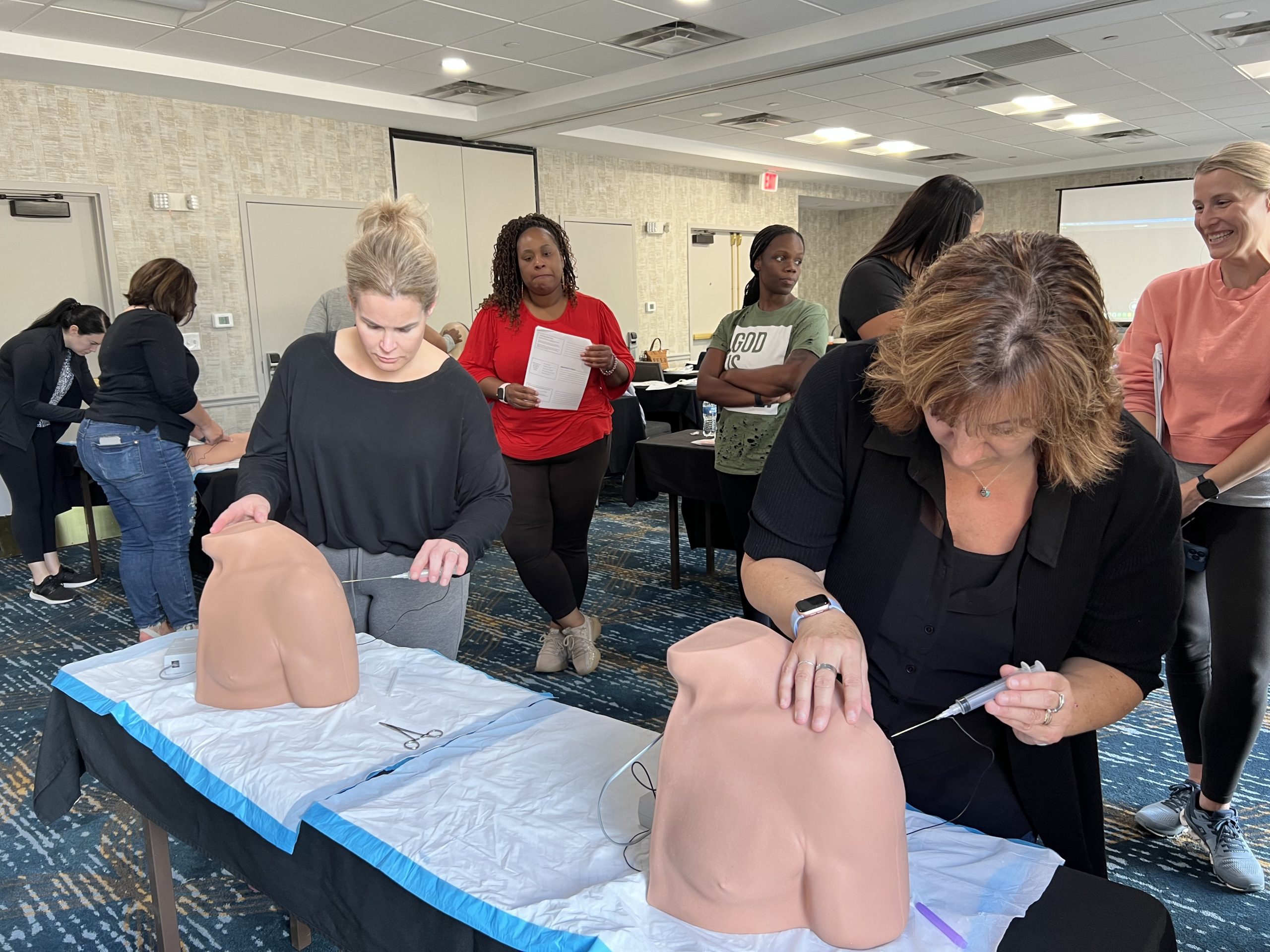
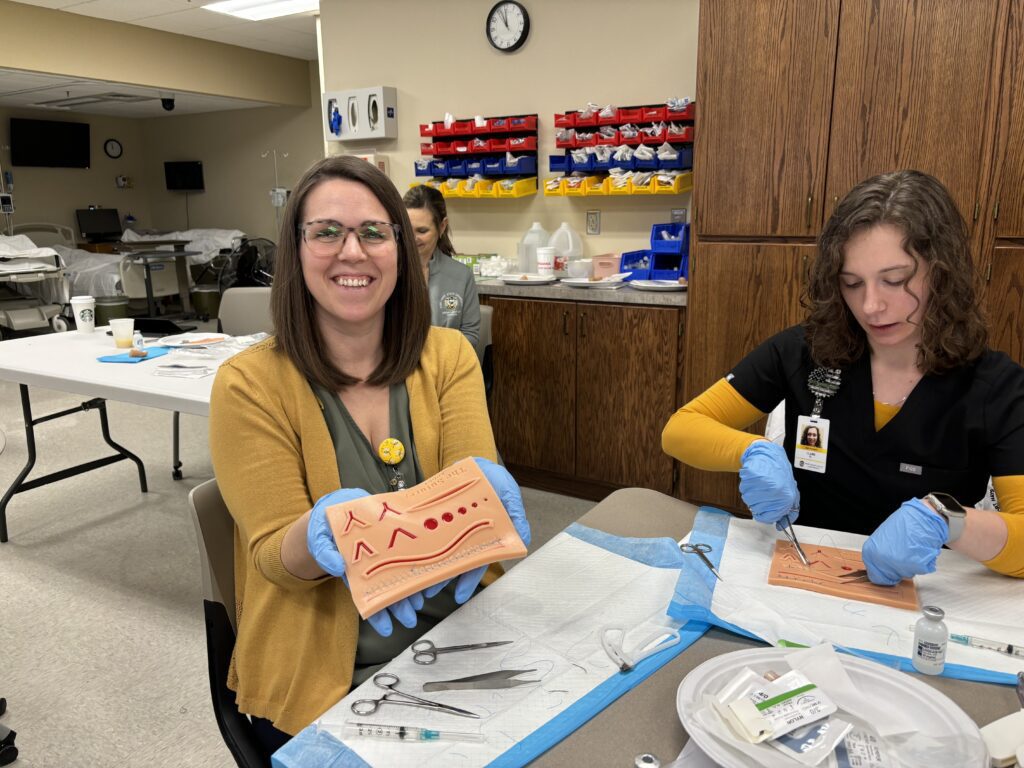
Watching a procedure and performing one are two very different experiences. When it’s your responsibility, even familiar skills can feel intimidating. All of this is normal during the transition phase. But the real question is: How do you Shorten the Learning Curve?
· Master the common conditions first. Build confidence in the diagnoses you see daily before chasing complexity.
· Create personal systems. Templates, structured workflows, and consistent assessment patterns reduce mental overload.
· Don’t avoid what makes you nervous. Avoidance delays confidence. Repetition builds it.
· Seek applied learning. Case-based training and hands-on skill development accelerate the move from theory to competence.
The Truth About This Phase
If you feel stretched, that doesn’t mean you’re failing. It means you’re growing. Passing boards made you certified, but intentional practice will make you confident. At NP Skills Made Easy, we have the resources you need to succeed! We offer support for every part of your journey. Whether you’re looking for Hands-On Live Skills Workshops, Certified online courses or even free webinars and Lab Cheat Sheets. Everything you need to feel confident is available on our website! Don’t fall behind, lean into learning with NP Skills Made Easy.