If you’re a registered nurse preparing to become a nurse practitioner—or you’ve recently started practicing—you’ve probably heard the same things over and over.
“You’ll have more autonomy.”
“You’ll make a bigger impact.”
“You’ll finally be the provider.”
While all of those things are true, they only tell part of the story. The transition from RN to NP is exciting, but it can also be overwhelming, humbling, and surprisingly emotional. It’s a shift that goes far beyond earning another degree or passing your boards.
Here are a few things no one really tells you about becoming a nurse practitioner.
You’ll Feel Like a Beginner Again
After years of confidently caring for patients as an RN, it can be frustrating to suddenly feel like you don’t know enough. As a nurse, you likely became the person others came to for answers. You could recognize changes in patient conditions, anticipate needs, and confidently perform your daily responsibilities. Then you become an NP. Now you’re expected to diagnose, develop treatment plans, prescribe medications, interpret diagnostic tests, and make clinical decisions that directly affect patient outcomes. It’s completely normal to feel like you’ve gone from expert to novice overnight. That doesn’t mean you’re unprepared—it means you’re growing into a completely different role.
The Responsibility Feels Different
One of the biggest adjustments isn’t the workload—it’s the weight of the decisions. As an RN, you play a critical role in implementing patient care. As an NP, you’re often the one making the final clinical decision.
Should this patient go to the emergency room?
Can they safely be treated in the clinic?
Which medication is the best choice?
What diagnosis fits the whole clinical picture?
Those decisions can feel intimidating at first. Every experienced NP remembers the early days of second-guessing themselves after patient visits. Confidence doesn’t appear overnight. It develops one patient encounter at a time.
Imposter Syndrome Is More Common Than You Think
Many new nurse practitioners quietly wonder:
“What if I miss something?”
“What if patients realize I don’t know enough?”
“Am I really ready for this?”
The truth is, many experienced providers have asked themselves those same questions. Imposter syndrome doesn’t mean you’re incapable. It usually means you care deeply about doing the right thing. The goal isn’t to know everything. The goal is to know how to think critically, recognize when something doesn’t fit, and continue learning throughout your career.
School Doesn’t Teach Everything
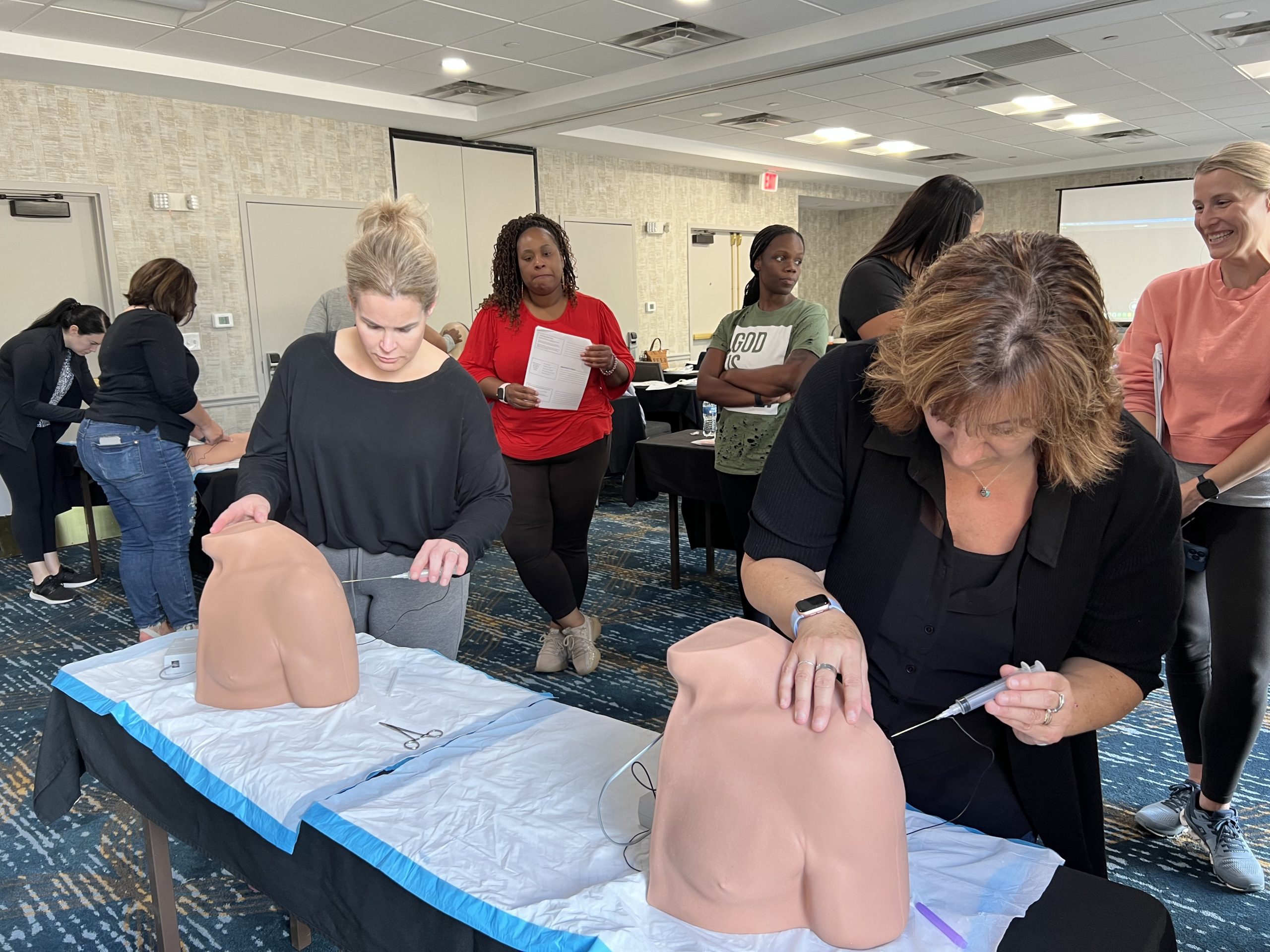
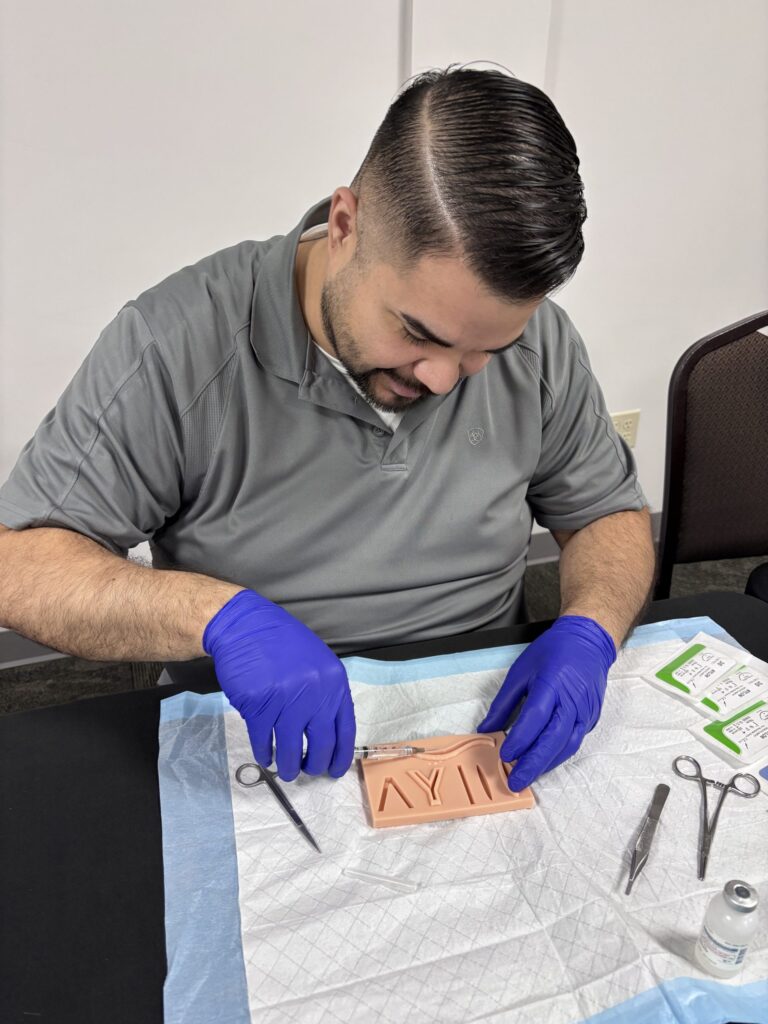
Nurse practitioner programs build a strong foundation, but real clinical practice is where everything starts coming together. Many new graduates discover they need more experience with practical skills such as:
- Suturing
- Joint injections
- Incision and drainage procedures
- Splinting and casting
- Skin biopsies
- Documentation and billing
- Clinical decision-making in fast-paced primary care
That’s perfectly normal. The best providers never stop building their skills, and luckily for you we teach them at our live workshops.
Sign up here: https://npskillsmadeeasy.com/#workshops
Your Communication Has to Change
Patients often viewed you as the nurse who helped carry out the provider’s plan. Now you’re the one explaining diagnoses, discussing treatment options, answering difficult questions, and helping patients make informed decisions.
You’ll find yourself having conversations about:
- Delivering unexpected diagnoses
- Discussing medication risks and benefits
- Helping patients understand why antibiotics aren’t always appropriate
- Navigating difficult or emotional patient encounters
- Building trust with skeptical patients
Clinical knowledge is essential—but communication is what turns good providers into great ones.
You Won’t Know Every Answer—And That’s Okay
One of the biggest myths about becoming an NP is believing you should always have the answer. Experienced providers look things up every day. They consult colleagues. They review guidelines. They ask specialists for input. Safe providers aren’t the ones who never have questions. They’re the ones who know when to ask them.
Confidence Comes From Experience, Not Perfection
Confidence isn’t something that appears after graduation or after passing your certification exam. It develops after hundreds of patient visits. After difficult conversations. After making mistakes, learning from them, and continuing to improve. Every patient encounter adds another layer to your clinical judgment. Over time, you’ll notice something remarkable. Cases that once seemed intimidating become routine. The uncertainty fades. Your instincts become sharper. And you’ll realize just how far you’ve come.
You Don’t Have to Figure It Out Alone
One of the fastest ways to build confidence is by learning from experienced nurse practitioners who have already walked the path you’re on. Hands-on education can bridge the gap between classroom learning and real-world practice. At NP Skills Made Easy, our live workshops are designed to help nurse practitioners gain practical, career-ready skills through hands-on training. You’ll practice procedures like suturing, joint injections, skin biopsies, splinting, casting, incision and drainage, and more—all while learning from experienced clinicians in a supportive environment.
Learn more here: https://npskillsmadeeasy.com/#workshops
If you’re preparing for certification, our Board Essentials Made Easy course is designed to help you review high-yield topics, strengthen your clinical knowledge, and approach your boards with greater confidence. Whether you’re a student, a new graduate, or an experienced NP looking to sharpen your skills, investing in your education is one of the best decisions you can make for your career.
Learn more here: https://npskillsmadeeasy.com/event/aanp-ancc-board-essentials-made-easy-houston-tx-live-fnp-board-exam-prep-pass-your-boards-on-the-first-try/
Final Thoughts
The transition from RN to NP isn’t just a new job—it’s a new identity. There will be days when you feel uncertain. Days when you question yourself. And days when you leave work wondering if you made the right decision. Those moments don’t mean you’re failing. They mean you’re growing. Give yourself permission to learn, ask questions, and improve one patient at a time. One day you’ll look back and realize that the provider you hoped to become was built through every challenge you faced along the way. And that’s something no one can teach in a classroom.