The healthcare industry is constantly changing, and nurse practitioners (NPs) are becoming an increasingly important part of the healthcare workforce. With an aging population, rising healthcare needs, and continued demand for accessible medical services, the future looks promising for current and aspiring nurse practitioners.

But what does this mean for the profession over the next 10 years? Will NPs continue to find job opportunities, and what can providers do to stay competitive?
The short answer is yes! According to the U.S. Bureau of Labor Statistics, employment for nurse practitioners is projected to grow by approximately 41% between 2024 and 2034. This makes it one of the fastest-growing occupations in the country.
Let’s explore why demand for nurse practitioners is increasing, which specialties may offer the most opportunities, and how you can prepare for the future of healthcare.
1. Why Is Demand for Nurse Practitioners Growing?
Several factors are contributing to the growing need for nurse practitioners across the United States.
An Aging Population: As the population ages, more patients will need ongoing medical care for chronic conditions such as diabetes, hypertension, heart disease, and arthritis. Nurse practitioners play an important role in managing these conditions through preventive care, medication management, patient education, and treatment planning.
Physician Shortages: Many communities, particularly rural and underserved areas, experience limited access to healthcare providers. NPs help fill these gaps by providing primary and specialty care services. Depending on state regulations, nurse practitioners can evaluate patients, diagnose conditions, prescribe medications, and manage treatment plans.
Increasing Healthcare Needs: Patients are seeking more accessible healthcare, including preventive services, urgent care, and chronic disease management. As healthcare organizations look for ways to expand services and improve access, nurse practitioners will continue to be valuable members of clinical teams.
Together, these factors suggest that NPs will remain an essential part of the healthcare workforce.
Family and Primary Care: Family nurse practitioners help patients manage chronic conditions, receive preventive care, and address everyday health concerns. As the population grows, accessible primary care will remain important.
2. Which Nurse Practitioner Specialties Will Be in Demand?
Although opportunities exist across many specialties, some areas of healthcare may offer particularly promising career paths.
Psychiatric-Mental Health: Increased awareness of mental health needs has created demand for qualified mental healthcare providers. PMHNPs play an important role in psychiatric assessments, medication management, and ongoing treatment.
Urgent Care: Urgent care facilities provide convenient access to treatment for acute illnesses and minor injuries. NPs in these settings need strong assessment, diagnostic, and procedural skills.
Dermatology: NPs interested in dermatology can evaluate and manage common skin conditions, identify concerning lesions, and perform certain in-office procedures with appropriate training.
Women’s Health: Hormone management, reproductive healthcare, and menopause-related services are areas where additional education and specialized knowledge can help providers expand their clinical opportunities.
Choosing a specialty that aligns with your interests, experience, and professional goals can help you build a rewarding NP career.
3. Clinical Skills Will Matter More Than Ever
While the future of the NP profession looks promising, job growth alone does not guarantee success. Providers must also be prepared to meet the clinical expectations of their roles.
Completing an NP program provides an important educational foundation, but many providers recognize that additional hands-on experience and continuing education can help bridge the gap between academic learning and everyday clinical practice.
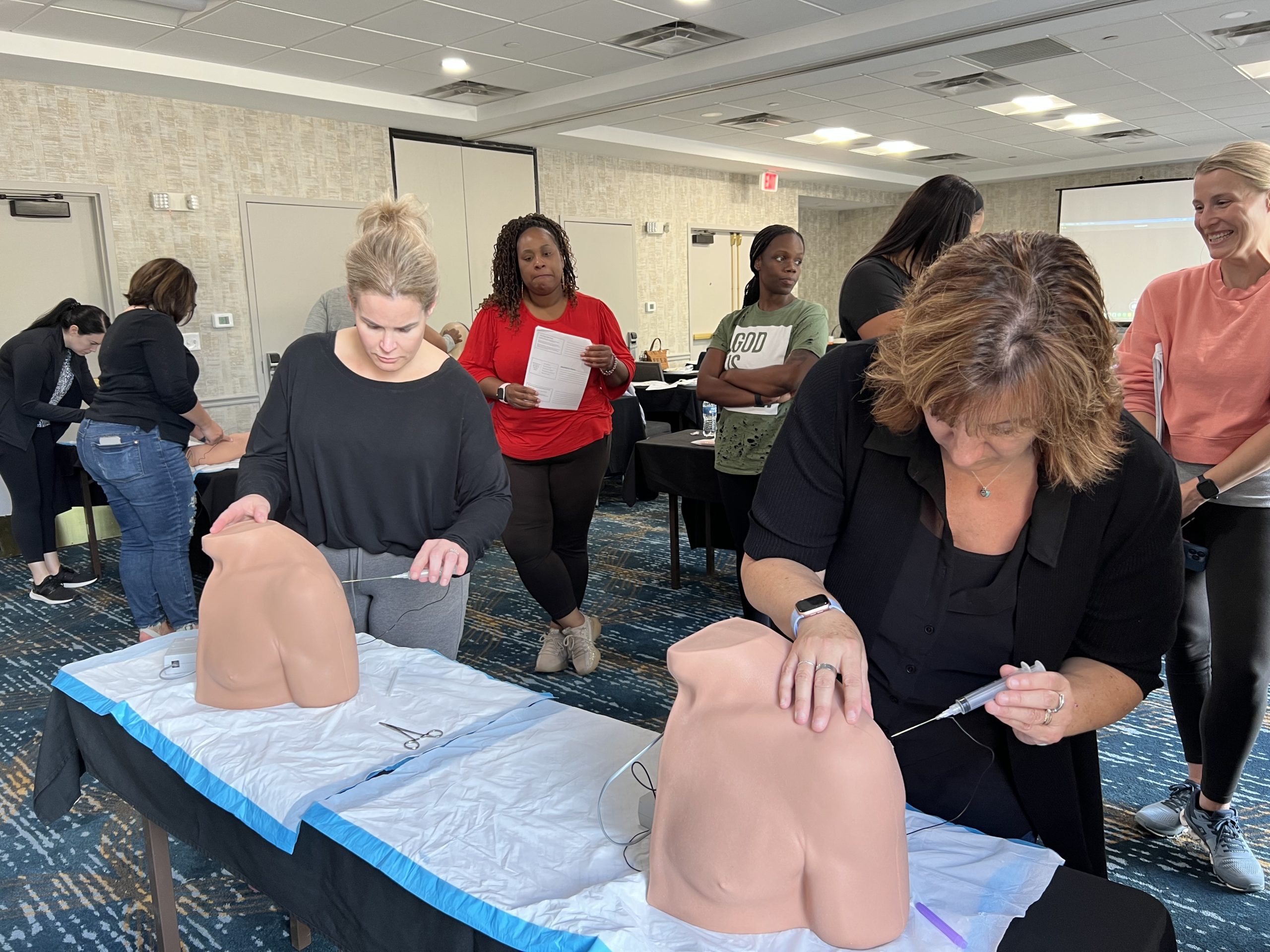
Skills such as suturing, wound management, ECG interpretation, diagnostic reasoning, and medication management can be valuable in many clinical settings.
NP Skills Made Easy offers hands-on workshops designed to help nurse practitioners strengthen practical clinical skills. Through in-person training, providers have opportunities to practice procedures, improve technique, and become more familiar with skills they may encounter in their clinical settings.
Whether you are a recent graduate or an experienced provider looking to refresh your knowledge, additional hands-on training can be a valuable investment in your professional development. https://npskillsmadeeasy.com/#workshops
4. Continuing Education Can Help You Stay Competitive
Healthcare guidelines, medications, and treatment approaches are constantly evolving. For nurse practitioners, continuing education is about more than earning the contact hours required for license renewal. It is an opportunity to strengthen clinical knowledge and stay current with changes in patient care.
Online self-paced courses also make it easier for busy providers to continue learning around their work schedules.
NP Skills Made Easy offers online Practice Ready and continuing education courses covering topics such as:
- Urgent Care Practice Ready
- Dermatology Practice Ready
- Advanced Pharmacology
- Psychiatric-Mental Health
- Medical Weight Loss
- Wound Care
- ECG Interpretation
- Hormone Replacement Therapy
- Advanced Diagnosis
These courses help new and experienced providers strengthen their knowledge in important clinical areas.
For example, an NP interested in urgent care may benefit from additional education in ECG interpretation, X-ray fundamentals, and common urgent care complaints. A provider interested in dermatology may want to improve their ability to recognize and manage common skin conditions.
With a variety of educational opportunities available, providers can focus on the skills and knowledge most relevant to their career goals. https://schools.npskillsmadeeasy.com/collections
5. Will It Become Harder for NPs to Find Jobs?
Although demand for nurse practitioners is projected to increase, the number of NPs entering the workforce is also growing.
This means certain specialties and geographic locations may become more competitive. Employers may look beyond a degree and certification when evaluating candidates.
Providers who demonstrate strong clinical skills, critical thinking, communication, and a willingness to continue learning may have an advantage.
New graduates can also benefit from remaining open to different clinical settings and specialty opportunities as they gain experience.
The most important thing to remember is that professional development does not stop after graduation. Continuing to strengthen your knowledge and practical abilities can help you adapt as healthcare needs change.
6. How Can Nurse Practitioners Prepare for the Future?
If you want to stay competitive and make the most of future career opportunities, consider these steps:
- Strengthen your clinical foundation. Continue developing your assessment, diagnostic reasoning, and treatment planning skills.
- Practice hands-on procedures. Seek opportunities to improve skills such as suturing and wound management when relevant to your practice.
- Invest in continuing education. Choose courses that address areas where you want to improve or specialties you want to explore.
- Stay current with clinical guidelines. Keep up with evidence-based recommendations, prescribing practices, and new treatment approaches.
- Remain adaptable. Be open to new specialties, practice settings, and professional opportunities as your career develops.
Taking an active approach to professional growth can help you feel more prepared for the responsibilities of advanced practice.
Conclusion: The Future Looks Promising for Nurse Practitioners
So, will nurse practitioners be in demand in the future? Current workforce projections strongly suggest that the answer is yes.
With employment projected to grow approximately 41% between 2024 and 2034, NPs are expected to play an increasingly important role in providing accessible, high-quality healthcare.
However, career success involves more than entering a growing profession. Providers must continue strengthening their clinical knowledge, developing practical skills, and adapting to changes in healthcare.
At NP Skills Made Easy, we are committed to helping nurse practitioners build the confidence and clinical skills needed throughout their careers. From hands-on workshops to online Practice Ready courses, our educational opportunities are designed to support both new and experienced providers.
Ready to invest in your future as a nurse practitioner? Explore NP Skills Made Easy’s workshops and online courses and take the next step toward becoming a more confident, capable provider. https://npskillsmadeeasy.com/