Introduction
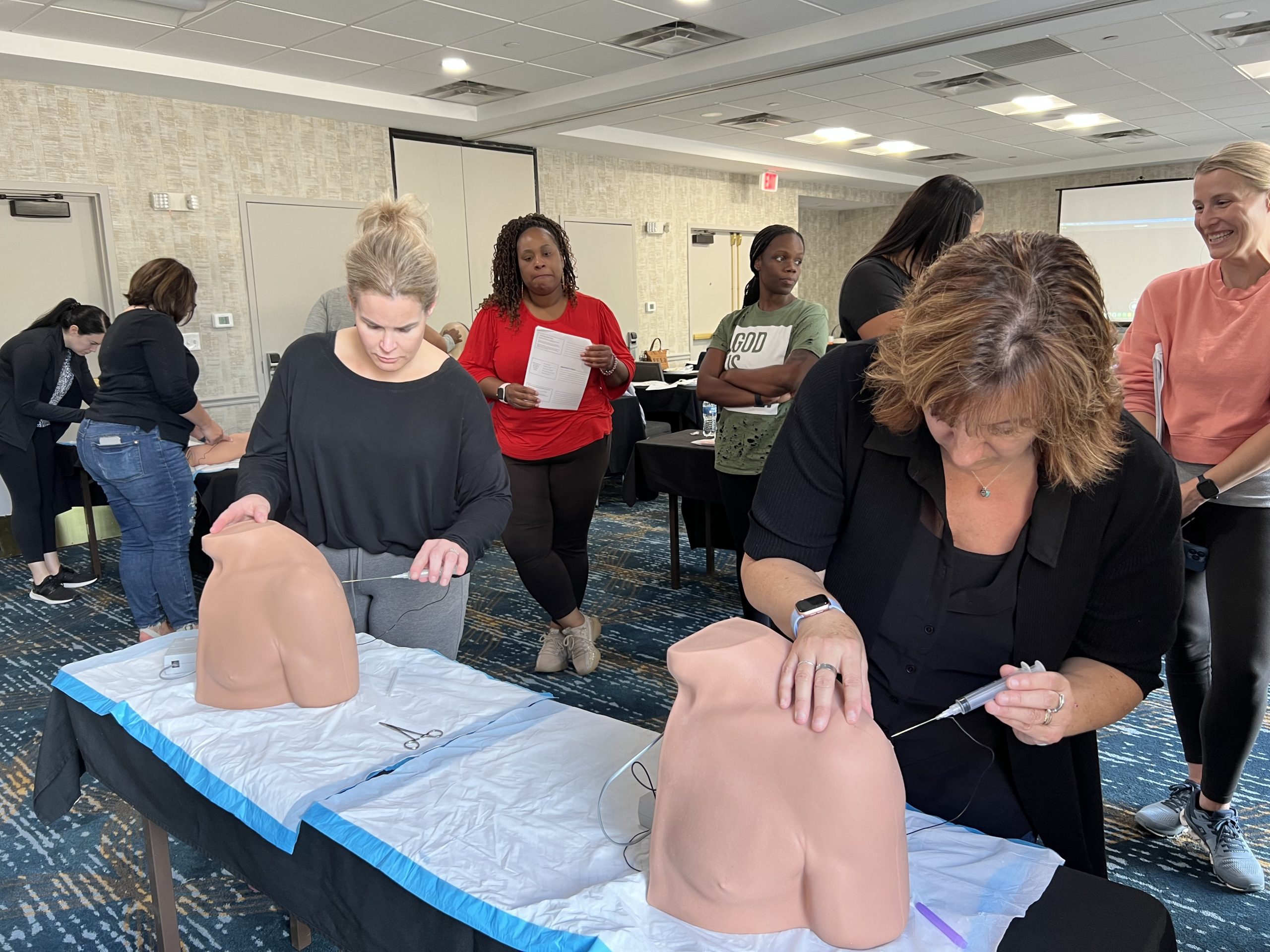
Suturing is a fundamental skill for nurse practitioners (NPs) in urgent care, emergency, and primary care settings. However, new NPs often face a steep learning curve and make several common mistakes that can affect patient outcomes. Understanding these pitfalls is crucial for improving technique, confidence, and patient safety.
Want to take your suturing skills to the next level? Explore our comprehensive Suturing Skills Course on https://npskillsmadeeasy.com/events for hands-on instruction and practical tips.
- Poor Wound Assessment
Before suturing, it’s essential to thoroughly assess the wound. Explore free suture tips on https://emedicine.medscape.com/article/83256-overview - Many new NPs focus on closing the skin without considering contamination, depth, or tissue viability. This oversight can lead to infection or poor healing. Always assess for foreign bodies and devitalized tissue, and clean the wound properly.
- Inadequate Anesthesia
Failing to provide sufficient local anesthesia can make the procedure unnecessarily painful for the patient. New NPs may underestimate the amount needed or inject incorrectly. Take time to ensure complete numbness before starting the repair. - Incorrect Suture Placement
Placing sutures too close or too far from the wound edge can cause poor approximation, increased scarring, or dehiscence. Sutures should be evenly spaced and at an appropriate distance (usually 3-5 mm) from the wound edge. - Using the Wrong Suture Material
Choosing the incorrect suture type or size for the wound is a frequent error. For example, using absorbable sutures for skin closure or non-absorbable sutures for deep tissues. Know your materials and select the right ones for the wound’s location and depth. - Excessive Tension on Sutures
Tight sutures can compromise blood flow, resulting in tissue necrosis or increased scarring. New NPs often pull sutures too tight, aiming for a neat closure. Instead, aim for gentle approximation without strangulation of the tissue. - Ignoring Aseptic Technique
Breaking aseptic technique increases the risk of infection. Common lapses include touching sterile instruments with ungloved hands or reusing contaminated supplies. Practice strict sterile technique throughout the procedure. - Poor Knot Security
Inadequate knot tying can cause sutures to unravel. Practice consistent, secure knots, and ensure the suture tails are trimmed appropriately to reduce irritation. - Insufficient Patient Education
New NPs may forget to provide clear wound care instructions, signs of infection, and follow-up plans. Proper patient education is vital for optimal healing and early detection of complications. Our CE courses offer several topics on https://schools.npskillsmadeeasy.com/collections - Conclusion
Mastering suturing takes practice and attention to detail. By recognizing and avoiding these common mistakes, new NPs can improve their technique, enhance patient outcomes, and build confidence in their clinical skills.
For more suturing tips, resources, and professional development for nurse practitioners, visit NP Skills Made Easy on https://npskillsmadeeasy.com
NP Skills Team